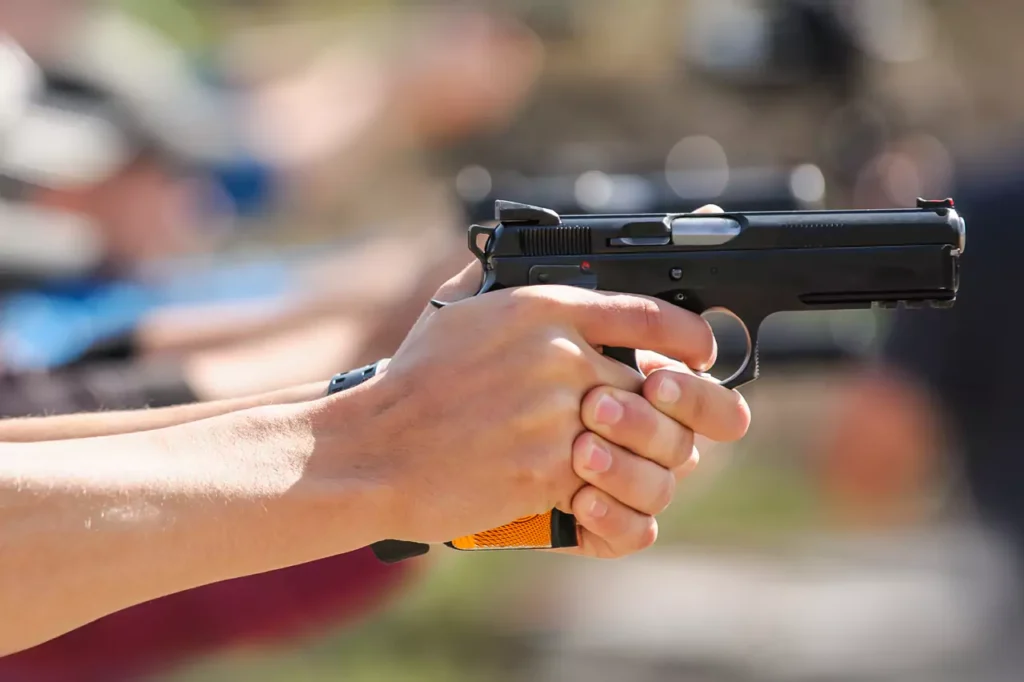



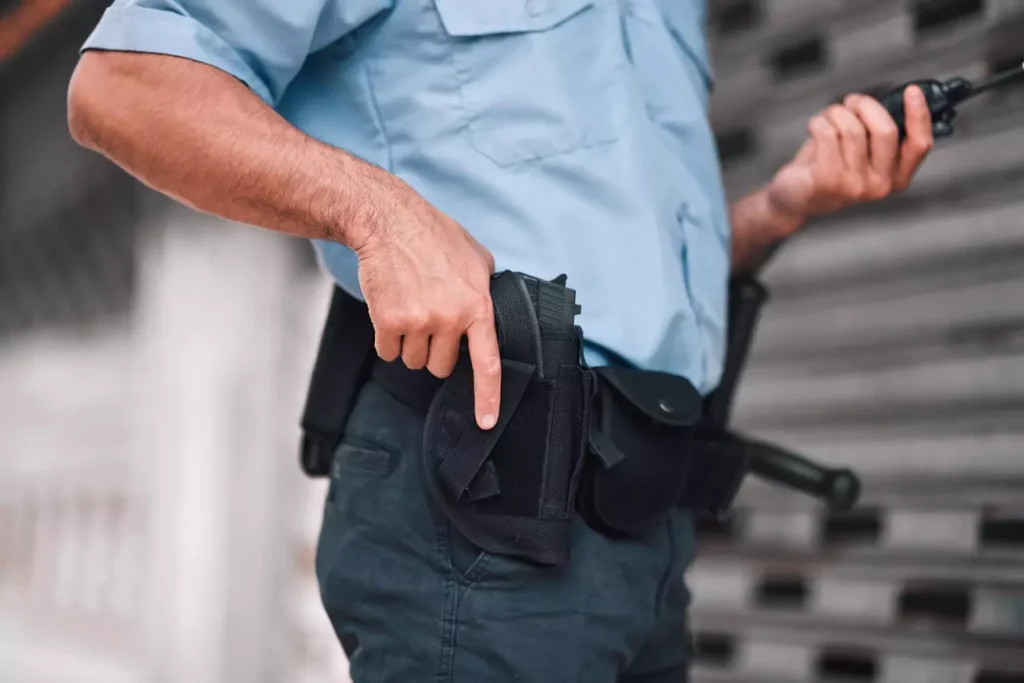
If youG��re preparing for firearm training or want to build solid safety habits before handling a pistol, understanding the fundamentals of firearm safety is essential. This guide covers the foundational rules, recommended practices, and how you can apply them G�� especially if youG��re enrolled in or planning to enroll in Hammerhead Institute of TrainingG��s courses.
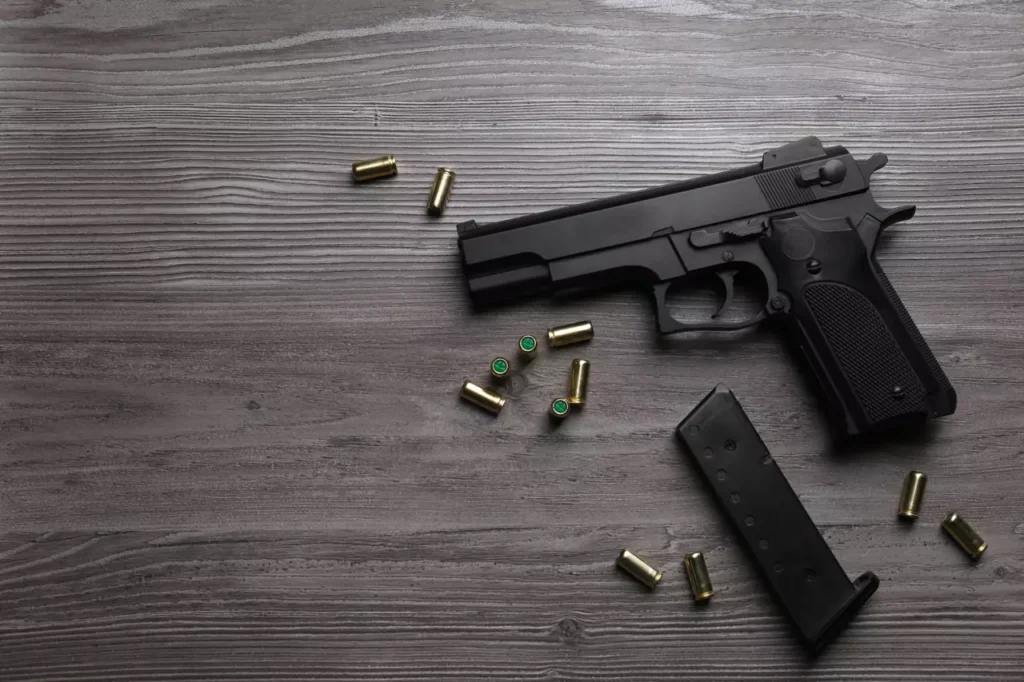
Whether you’re taking the Exposed Firearms Permit course, participating in CCW training, or simply practicing on your own, safety is the constant. Mistakes with firearms can have irreversible consequences G�� which is why we teach safety as the core foundation in all our training programs.
Below are the core principles we reinforce in our classes. Master these before you ever pull the trigger:
In our Basic Pistol / Firearm Safety course, we donG��t just cover theory G�� students practice drills under supervision to reinforce these rules until they become instinctual.

HereG��s how to put safety into action in real settings:
Practice dry-fire safely G�� always in a controlled environment with an unloaded weapon.

Do I need my own firearm before taking safety training?
Yes. Many participants bring their handguns to qualify later in courses like the Exposed Firearms Permit program.
How long is a basic safety class?
Most safety courses run 4G��8 hours with classroom and live-fire components.
Does the course cover California firearm laws?
Absolutely. Hammer HeadG��s curriculum includes CaliforniaG��s firearm regulations, safe transport rules, and use-of-force guidelines.
WhatG��s next after the safety course?
You can advance to Exposed Firearm Permit or CCW training for further certification and hands-on range experience.